WINDOW TINT IN Denver
Benefits of Window Tint & Windshield Protection
With Denver’s elevation and strong sun exposure, vehicles can quickly heat up and experience interior damage from UV rays. Summit Customs offers professional window tint installations designed to reduce heat, block harmful rays, and improve driving comfort. Whether you’re commuting daily or spending extended time on the road, window tint makes a noticeable difference. As a certified 3M Pro Shop Dealer, we use advanced films engineered for heat rejection, clarity, and durability. Our installs are done with precision to ensure a clean, long-lasting finish.
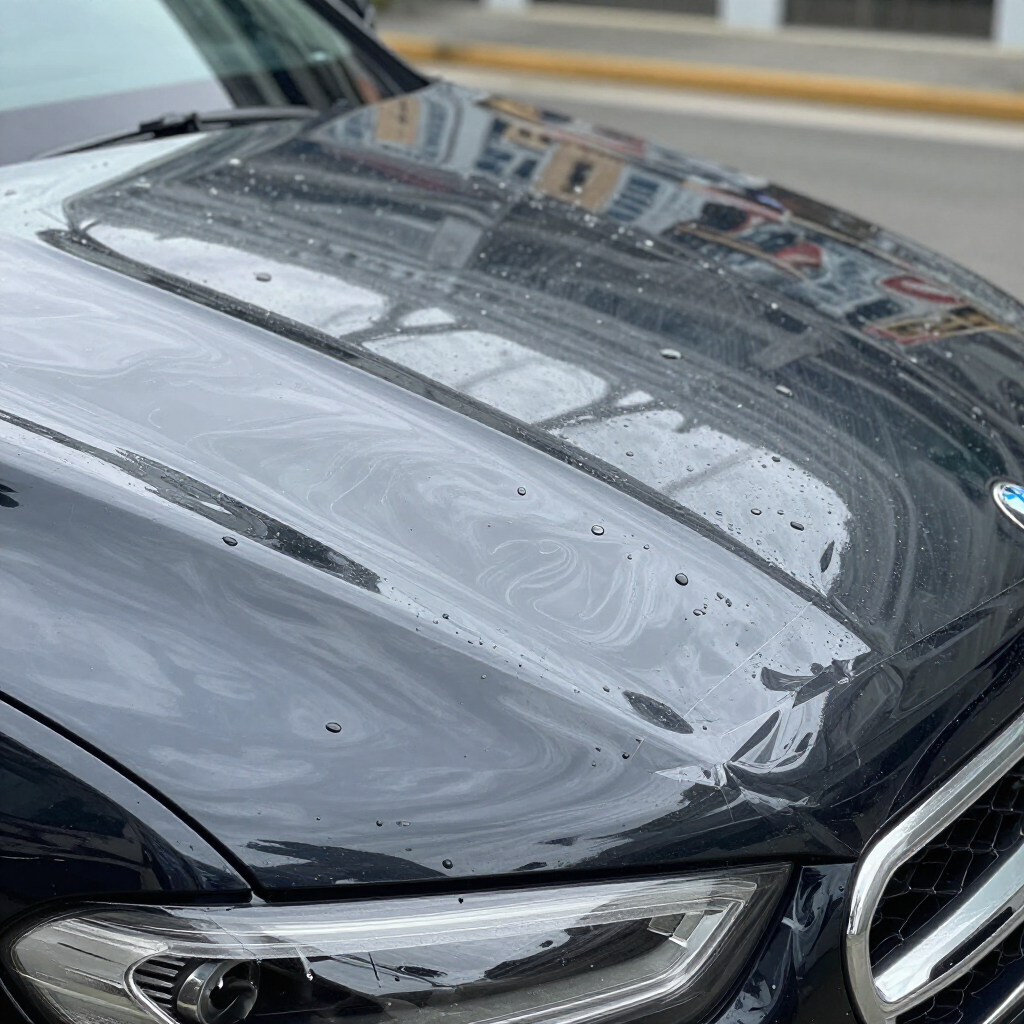
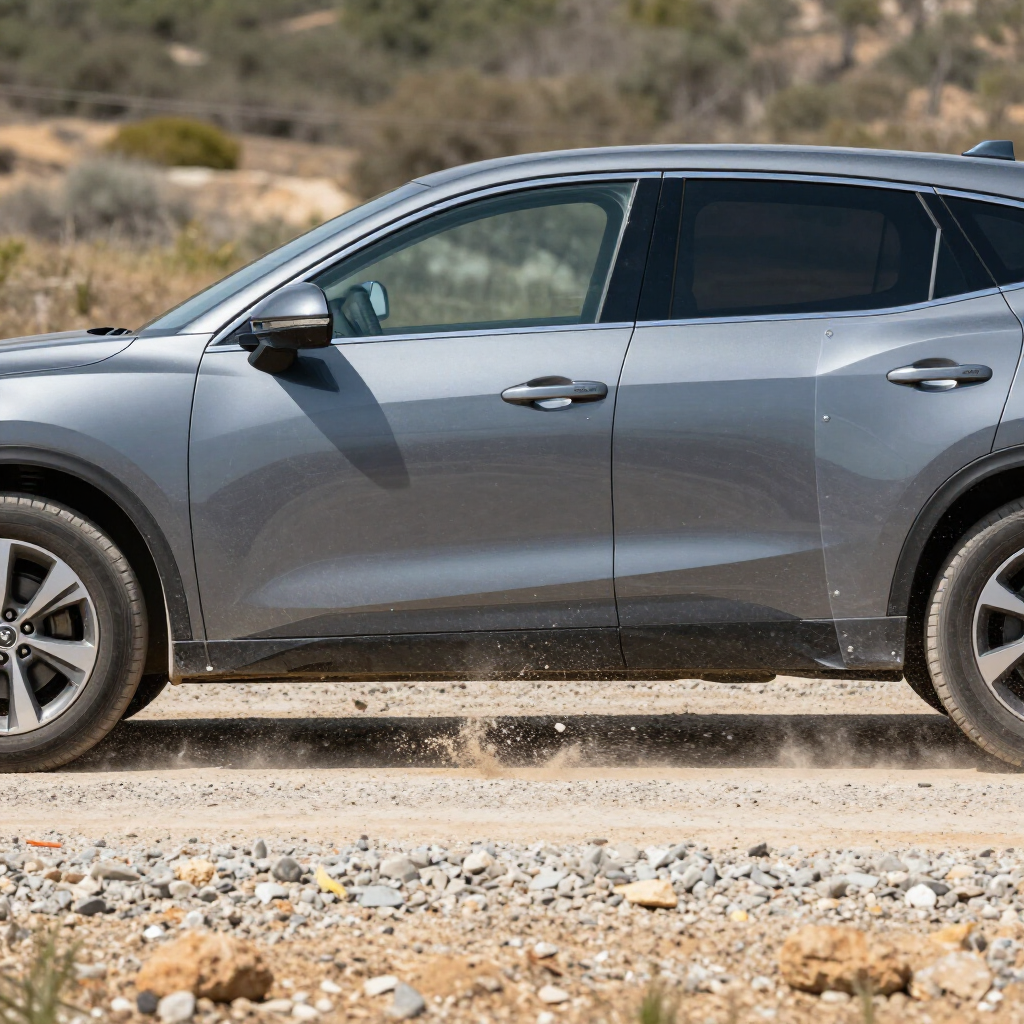
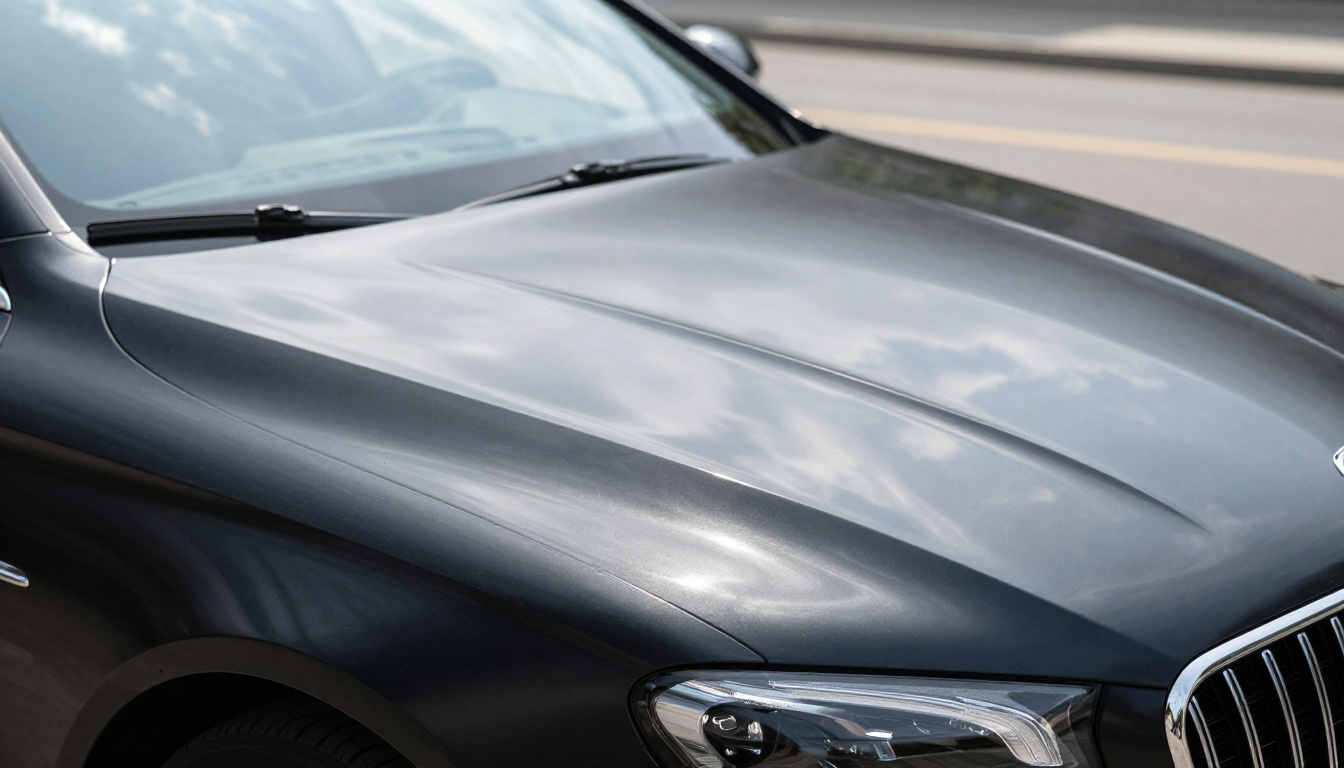
As Denver’s authorized 3M Window Film Pro Shop, Summit Customs provides an elite level of expertise and product access that ordinary tint shops can’t match. Our 3M Pro Shop status means our technicians are factory-trained to install the industry's most advanced films, including the 3M™ Automotive Window Film Crystalline Series and Ceramic IR Series. Because we are a certified Denver 3M Pro Shop, every installation is backed by a comprehensive limited lifetime warranty that is honored nationwide, protecting you against bubbling, peeling, or blistering. When you choose Summit Customs, you are choosing the precision of a manufacturer-vetted partner dedicated to maintaining the highest standards of clarity, heat rejection, and UV protection for every vehicle that drives the Front Range.


Beat the heat, boost your style, and protect what matters—schedule your premium window tint today.
WINDOW TINT PRICING:
Professional automotive window tinting in Denver with straightforward, all-in pricing. Every package includes precision computer-cut film, edge-to-edge coverage, and installation by certified technicians. Lifetime warranty available on carbon and ceramic films. Same-day appointments for most vehicles.
Pick a film package, add a windshield if you like, and we’ll build your estimate. Final pricing confirmed by vehicle — talk to us.
- 99% UV protection
- Glare & privacy
- Clean, factory look
- Lifetime warranty
- Noticeable heat rejection
- No signal interference
- Deep matte finish
- Won't fade or purple
- Lifetime warranty
- Superior heat rejection
- Cooler cabin, less AC
- Crystal-clear visibility
- Lifetime warranty
- Maximum heat rejection
- Blocks up to 98% IR heat
- Best-in-class clarity
- Lifetime warranty
Your windshield is the largest piece of glass in the car — and the biggest source of cabin heat. Our near-invisible ceramic IR windshield film blocks up to 96% of infrared heat and 99% of UV without darkening your view, keeping you cooler and cutting glare on every drive.
- Up to 96% IR heat rejection
- Crystal-clear, legal visibility
- Less AC, cooler cabin
- Pairs with any tint package
Select a tint package above to build your quote.
Estimate only — final price is confirmed at your appointment based on your specific vehicle.
Other add-ons available: brow/visor strip and tint removal. Pricing reflects most cars; oversized glass (Teslas, vans, RVs) quoted separately.
Common Questions About Window Tint & Windshield protection
How long does it take for window tint to dry or cure?
After installation, window film requires a curing period of 3 to 5 days before you should roll down your windows. During this time, it is normal to see small water bubbles or a slightly cloudy appearance; these will disappear as the moisture evaporates. Depending on the weather and sunlight exposure, the film can take up to 30 days to fully bond and reach its maximum clarity.
Will window tint interfere with my GPS, radio, or cell signal?
It depends on the type of film you choose. Traditional metallic tints can sometimes interfere with electronic signals. However, ceramic window tint is non-metallic and non-conductive, meaning it offers superior heat rejection without affecting your GPS, mobile phone reception, or tire pressure monitoring systems.
What is the legal limit for window tint in Colorado?
Colorado state law requires that the front side windows allow at least 27% of light to pass through (Visible Light Transmission or VLT). For the back side and rear windows, the darkness can be much higher as long as the vehicle has dual side mirrors. It is important to choose a professional installer who understands local regulations to ensure your vehicle remains street-legal.
How should I clean my windows after they have been tinted?
To preserve the life of the film, you should only use ammonia-free cleaners and a soft microfiber towel. Ammonia is a harsh chemical that can break down the tint's scratch-resistant coating and cause it to peel or turn purple over time. Simple soap and water or a dedicated tint-safe glass cleaner are the best choices for a streak-free finish.
Service Areas
At Summit Customs, we proudly serve customers across the entire Denver metro area with professional vehicle wraps, window tint, paint protection film (PPF), ceramic coating, and custom graphics. Whether you're a business looking to brand your fleet or a car enthusiast wanting to protect and customize your vehicle, our team delivers high-quality results backed by years of experience and 3M-certified installation.
Arvada • Aurora • Brighton • Broomfield • Centennial • Commerce City • Denver • Golden • Littleton • Northglenn